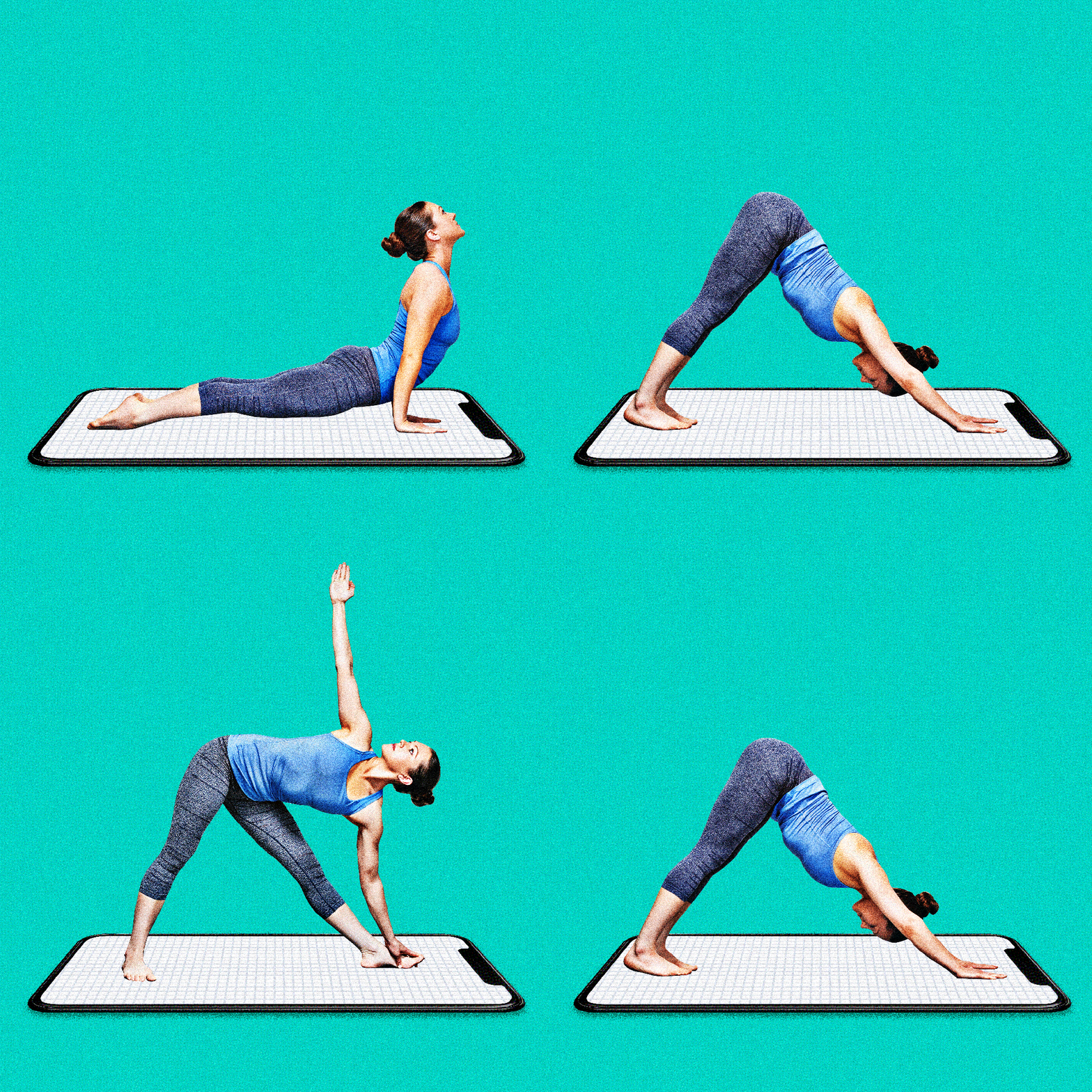
In the Before Times, a postwork workout was a must. When the pandemic shut my gym and local yoga studio down, I turned to apps to get my routine back. So. Many. Apps.
There are three basic categories of digital workouts:
• Freebies include free apps and YouTube workouts. These are great for getting your feet wet—maybe you’re starting to work out again after a long time off. YouTube is where you can try virtually any kind of workout. The downside is that you have to spend time hunting for one, and even that little bit of friction might keep you from exercising if you’re feeling sluggish.
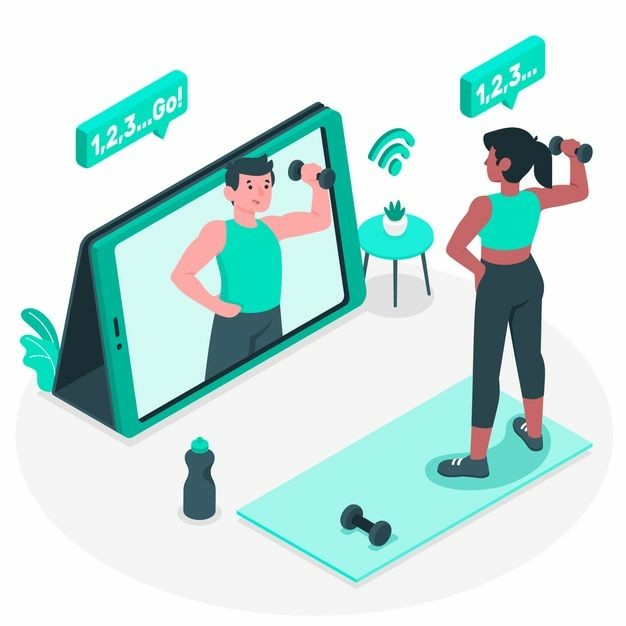
Premium programs are like Netflixes for fitness. You pay between $5 and $25 a month, generally, to access a large library of on-demand workouts of various types. The fee is likely cheaper than your gym membership. These apps aim to be one-stop shops for exercise. There’s typically cardio, strength and yoga offered in the same app. Some include live-streamed classes.
Zoom studios are the virtual version of high-end bricks-and-mortar fitness offerings. They’re pricey, but working out alongside others in real time and getting webcam-enabled personalized instruction can be worth it.
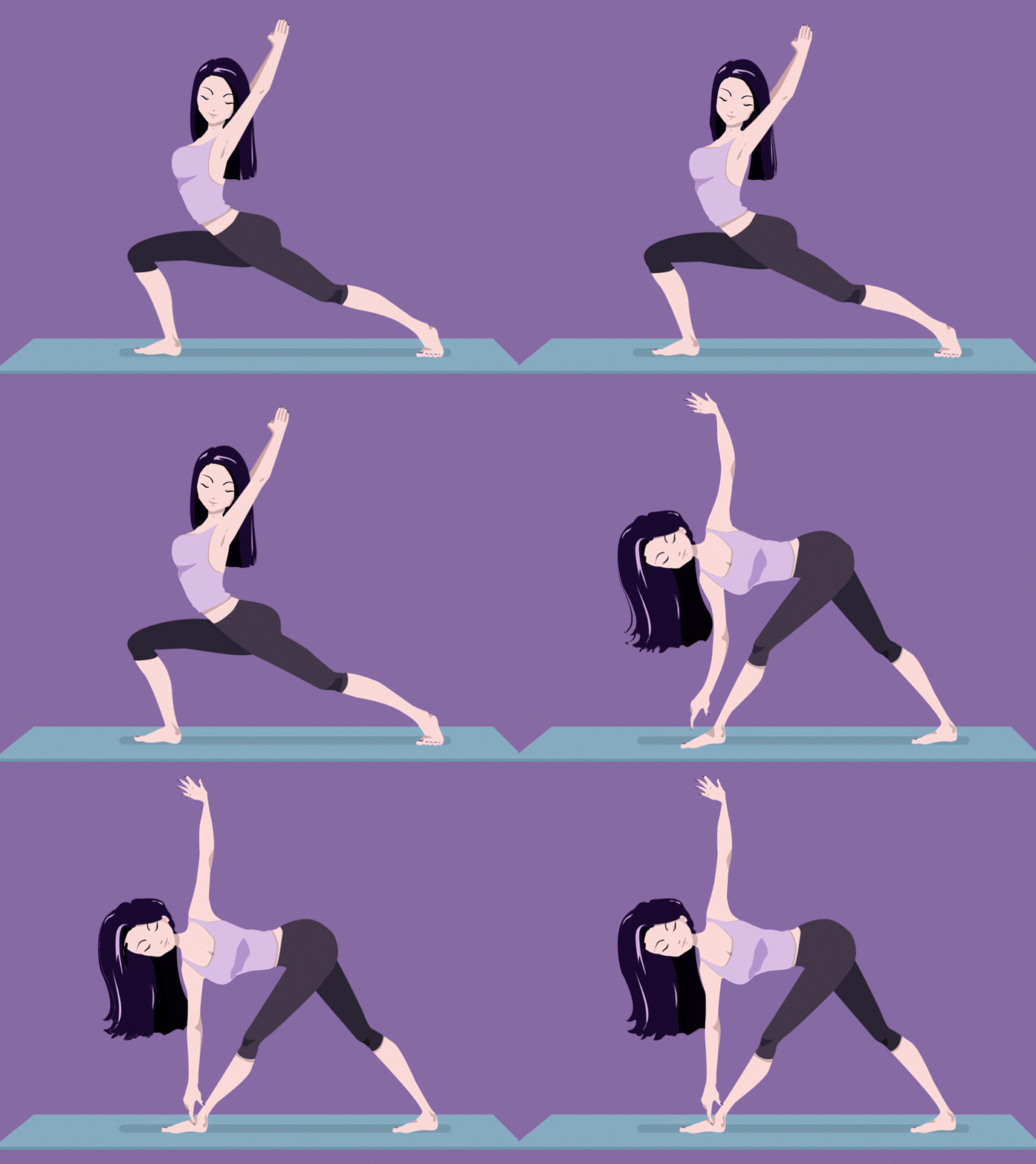
The key with any kind of exercise, of course, is showing up to do it. These are workouts that I turned to again and again this year. But fitness is a highly personal thing—and the instructors, music selection and exercise styles vary widely from app to app. For some, live classes are a good way to stay accountable. For others, short workouts that can be squeezed into a busy day are most important.

What to like: The Nike Training Club app includes workouts focusing on strength, endurance and mobility. From yoga to heart-pumping body-weight cardio, there’s something for every skill level. An integration with Apple Watch shows your heart rate, the upcoming drill and play/pause controls.

 Studio-7-West