People with horrible coughs, fevers and trouble breathing aren’t driving the coronavirus pandemic. It’s people with mild symptoms or no symptoms at all who are responsible for the majority of new COVID-19 cases, according to research published earlier this week.
People who work in essential jobs have an especially high chance of being exposed to SARS-CoV-2, the technical name for the virus that causes COVID-19, and bringing it home. Since it’s so hard to tell who’s carrying the virus before symptoms show, essential workers’ families, partners, and roommates are at an increased risk of being exposed in shared spaces, where it can
As much as you try to push it off, laundry day is inevitable. A lot of people prioritize their clothes and bedding as part of their main loads. But when you realize how often your sneakers get washed, it may not be as often as you’d like to admit.
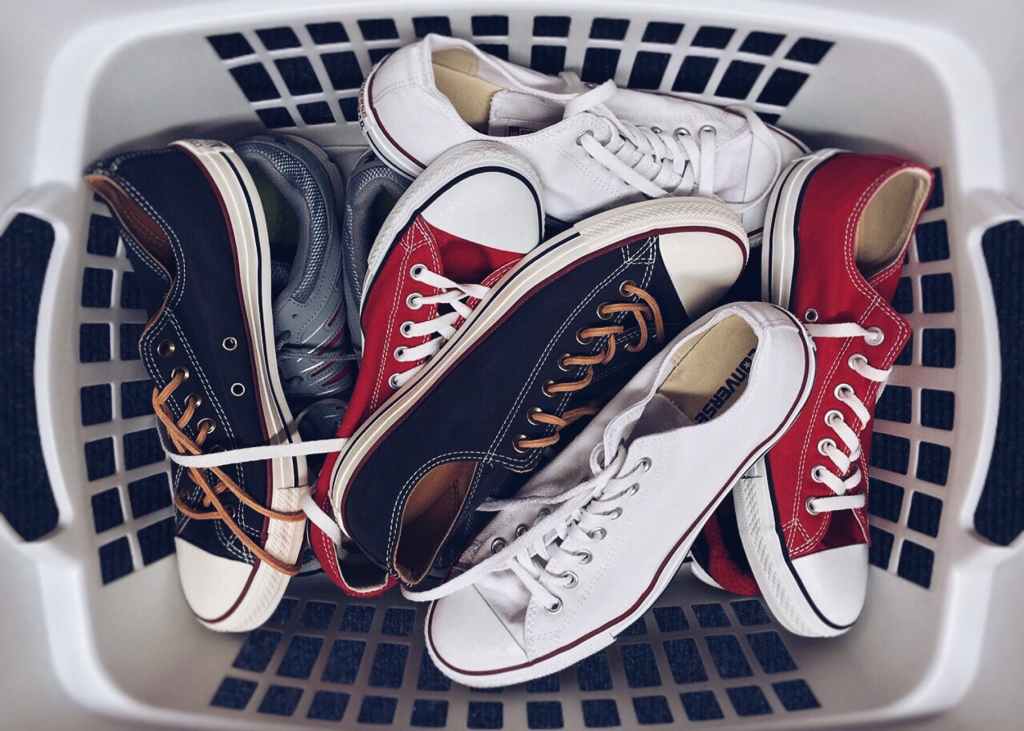
The thing is, you don’t have to compromise your time to get a thorough clean out of your favorite sneakers. The Teletrogy Shoes Laundry Bag takes care of that for you. It’s legit a washing machine laundry bag for your dirtiest kicks. Toss your shoes in the bag and over 10,000 fibers will buff your shoes to new life.
These shoe bags are special. You get two laundry bags in one order, and you can use them for each individual shoe. After tossing the shoe laundry bags (with your shoes in them of course) in with the rest of your load, you can go about your day.
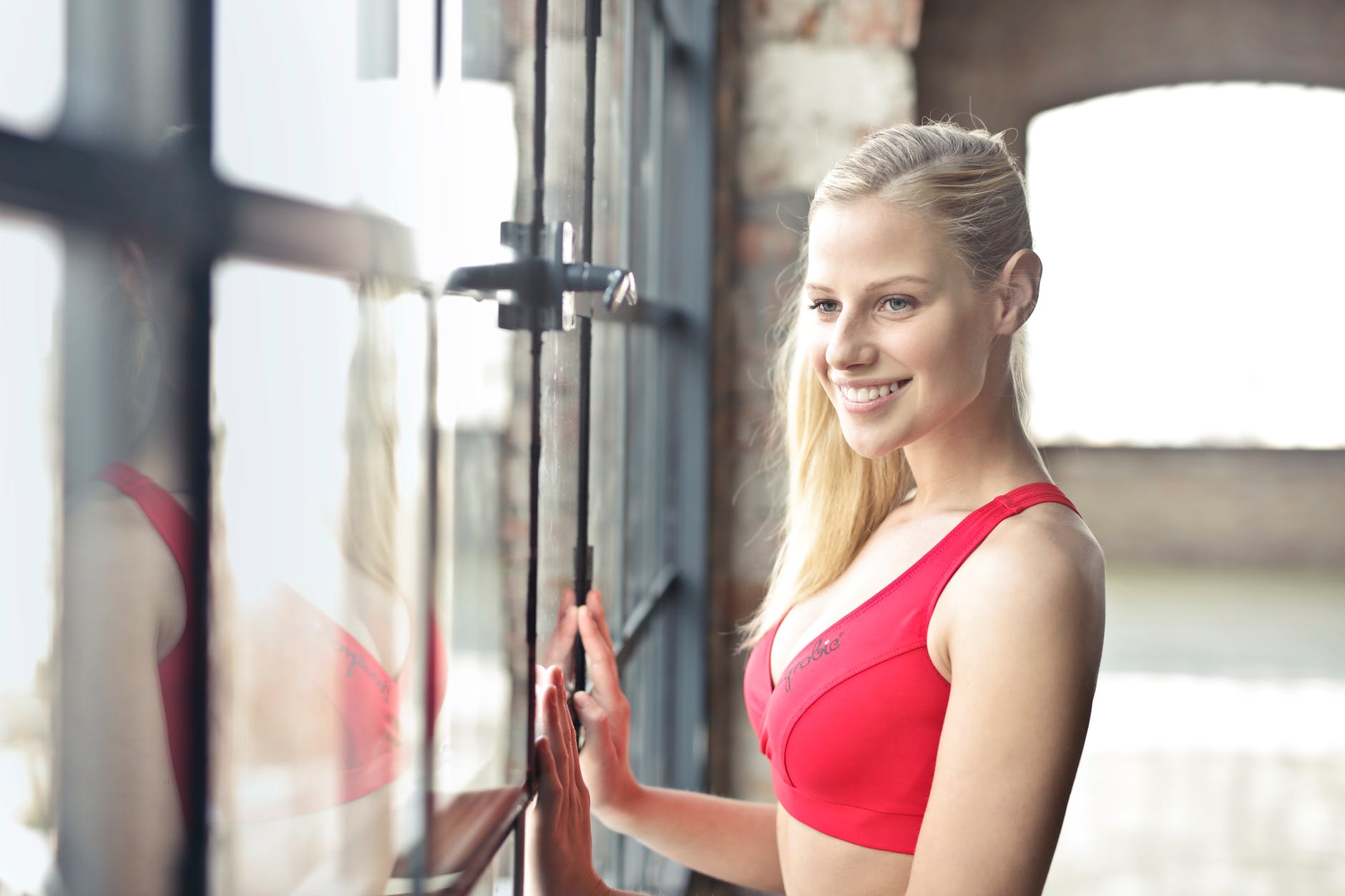
No matter what kind of exercise you choose, we applaud you for getting out there and doing it. And you’ll feel the benefits almost immediately: You’ll be a little bit more energised, less stressed, and more confident than you were before your workout.
The new coronavirus, SARS-CoV-2, which causes the coronavirus infectious disease COVID-19, as named by the World Health Organization, is disrupting life as usual and is exacting a visible human and economic toll. IDEA members and fitness professionals across the globe can continue promoting health and minimize business disruption with common-sense precautions and attention to public health developments. This advisory contains information on what we currently know about the virus, suggested preventive measures and resource links to stay updated.
What You Should Know
COVID-19 comes from the coronavirus family, which includes the common cold. COVID-19 appears to be an animal coronavirus, unseen before in humans, that first appeared in Wuhan City, China, and is spreading globally through human-to-human transmission. Fitness pros can remind others that the best defense against viruses, in addition to specific preventive measures, is to maintain a healthy overall lifestyle that includes regular physical activity.
The good news—so far—is that sweat cannot transmit the virus, and there’s a lower risk of picking up coronavirus at a gym or health club than at a church service, according to David Thomas, MD, MPH, professor of medicine and director of the Division of Infectious Diseases at Johns Hopkins University School of Medicine (The New York Times, March 8, 2020). Furthermore, as of this article’s publication date, experts have not determined precise transmission, infection or mortality rates for this new illness.
Preventive Measures
Since no vaccine exists to protect against COVID-19, public health experts recommend the following personal preventive measures:
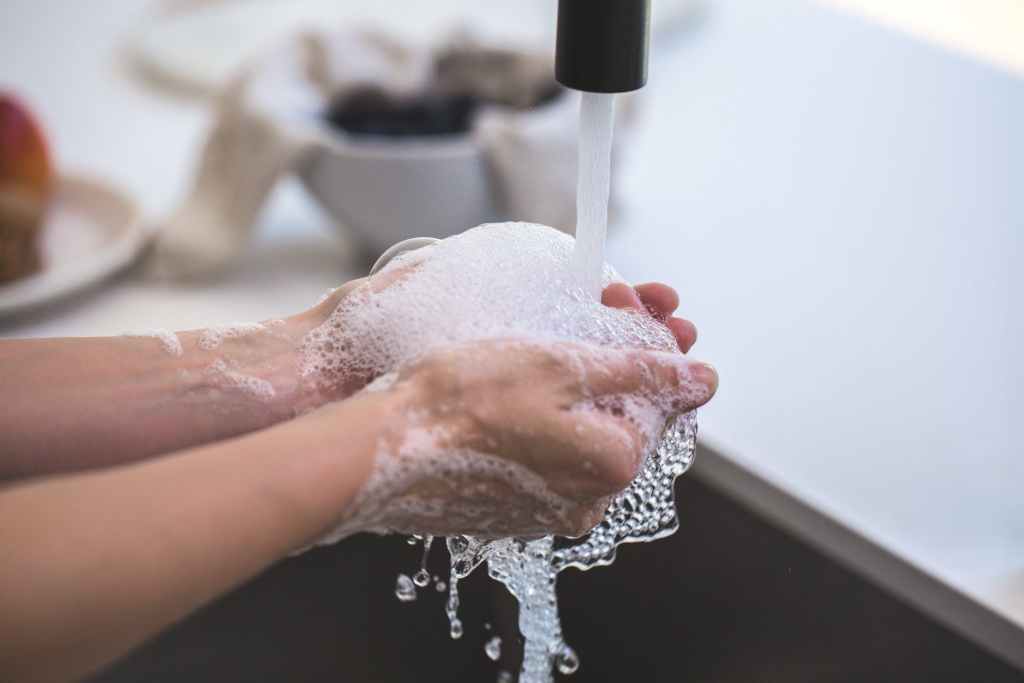
Wash hands frequently. Wash hands thoroughly and often, either with soap and water for 20 seconds or with a 60% alcohol-based rub, to kill any viruses on your hands. Hand dryers alone are not effective at killing COVID-19. For effective hand-washing practices, check out this video.
Avoid touchingyour face. Avoid touching your eyes, nose or mouth with unwashed hands, as any virus on hands from a touched surface can enter the body through the eyes, nose or mouth, according to current information.
Maintain social distance. Keep a distance of at least 3 feet between you and apparently healthy persons and stay 6 feet away if a person is coughing or sneezing (WHO 2020).
Limit contact. Avoid close contact with people who are sick. If you’re sick with respiratory symptoms like a fever, runny nose and/or cough, stay home. Seek medical advice if your condition worsens with a high fever and/or difficulty breathing.
Cough into an elbow or a tissue. Cover coughs with a tissue or cough into an elbow. Dispose of tissues immediately in a covered bin and wash hands with warm, soapy water. Wash clothing into which you cough. It is unknown how long the virus can live on hard and soft surfaces. According to the WHO, coronaviruses may survive on surfaces for a few hours or up to several days. The best way to ensure that surfaces you touch are germ-free is to clean them with a disinfectant.
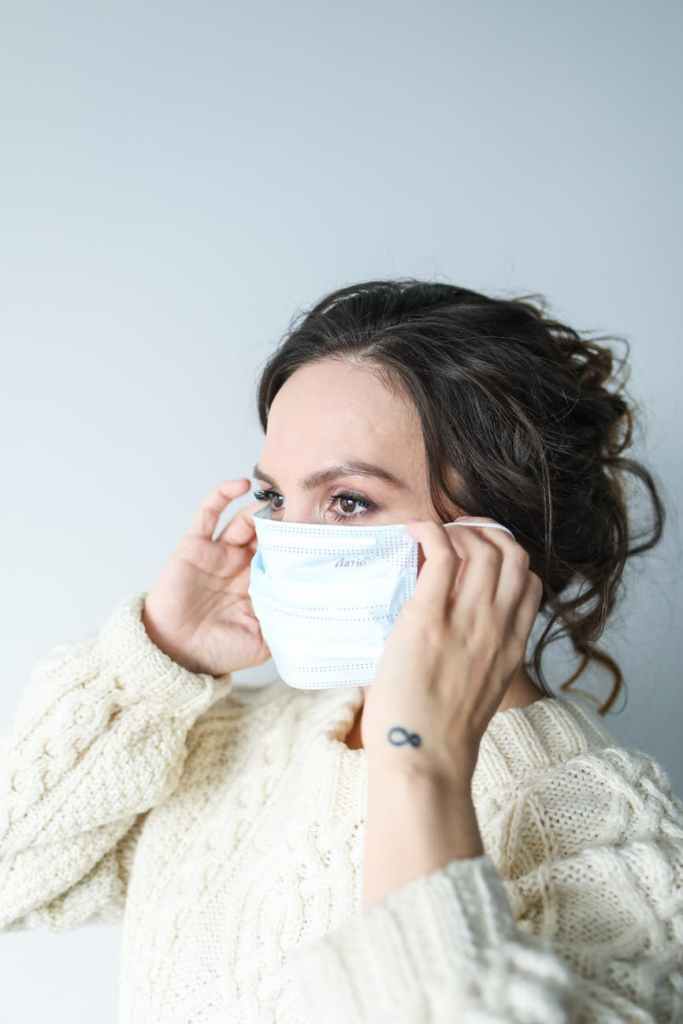
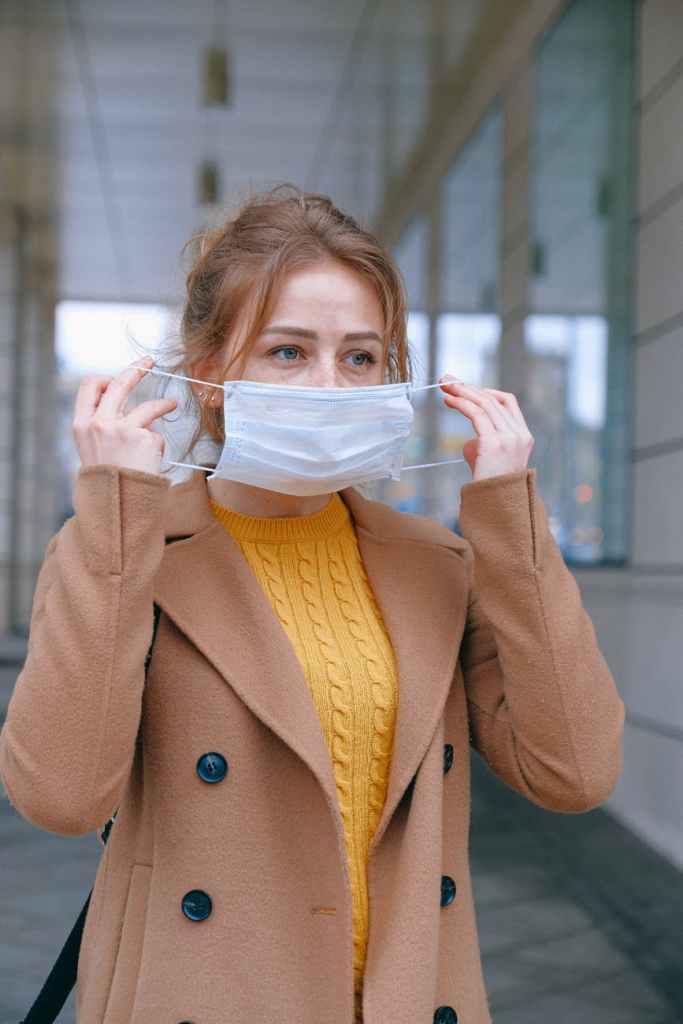
If you’re wondering about wearing a face mask, public health experts advise that it’s not currently recommended for the general public in the United States. For more information about masks, go here.
Based on best public health practices, include the following:
Actively encourage sick staff and/or members to stay home. Make announcements and hang posters about staying home when sick and about following cough and sneeze etiquette.
Instruct staff and members to clean their hands frequently. Provide hand sanitizer with a minimum of 60% alcohol at the entrance and throughout the facility. Encourage frequent use.
Advise staff and members on hygienic use and disposal of tissues. Provide tissues and no-touch disposal receptacles in easily visible and accessible places.
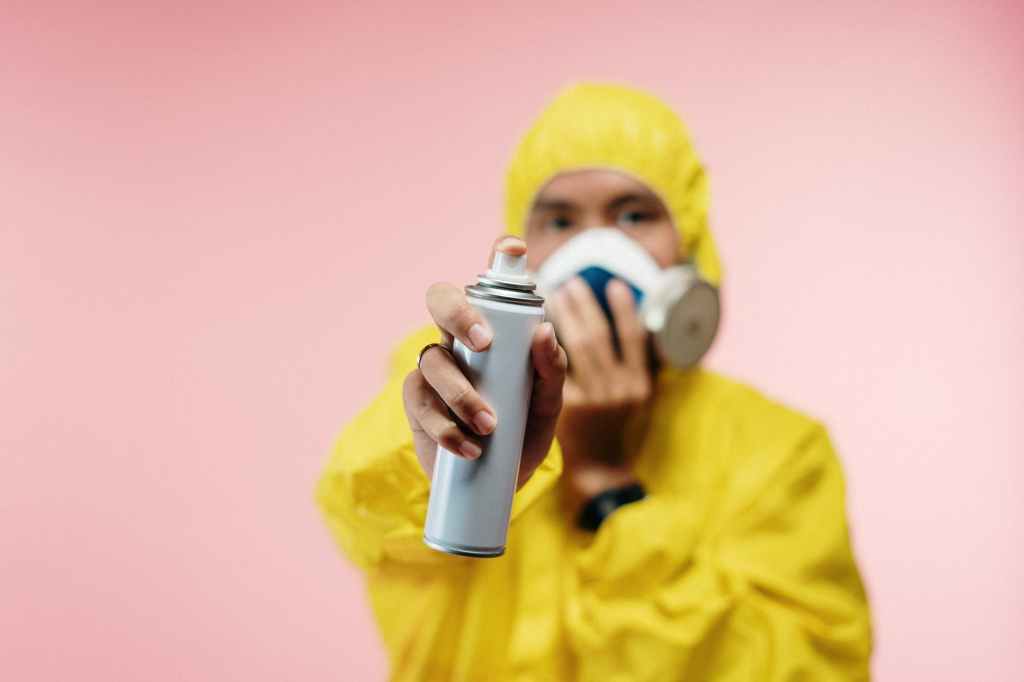
Provide disposable disinfectant cleaning wipes near all commonly used surfaces. Include instructions to wipe down surfaces before and after use with a disinfectant that is at least 70% alcohol. Wiping surfaces clean can reduce germs, but only disinfectant that is at least 70% alcohol kills germs. Products with EPA-approved claims against viral pathogens are listed here.
Avoid hands-on contact with clients. Avoid handshakes or other close-contact greetings.
Fiona McMahon PT, DPT Have you noticed it yet? Everything is pink. Pink cups, pink pens, pink stickers, pink ribbons, pink everything. The flood of pink that happens every October and reminds us it is Breast Cancer Awareness Month. If you are someone you love has or has had breast cancer, chances are you don’t […]
Physical fitnessis a state ofhealthandwell-beingand, more specifically, the ability to perform aspects ofsports, occupations and daily activities. Physical fitness is generally achieved through propernutrition,moderate-vigorousphysical exercise,and sufficient rest.
Example of a Daily Routine
Making a bed.
Washing your face.
Drinking a pint of lemon water.
Preparing and drinking a nutritious smoothie.
Reviewing your goals.
Writing down two to four important tasks for the day.
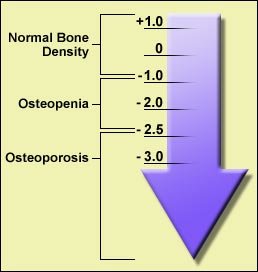
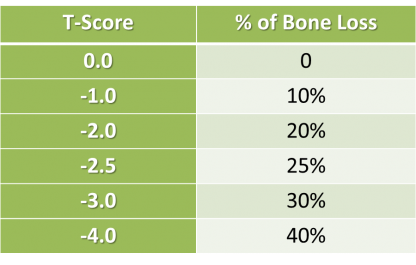
Osteoporosis is a medical condition in which the bones become brittle and fragile from loss of tissue, typically as a result of hormonal changes, or deficiency of calcium or vitamin D.
Fracture: The Most CommonEarly Symptom. You may have a fragility-related fracture before you are diagnosed with bone loss orosteoporosis. This means that your wrist, back, hip, or another bone is fractured as a result of a mild to moderate trauma, such as falling from below your standing height.
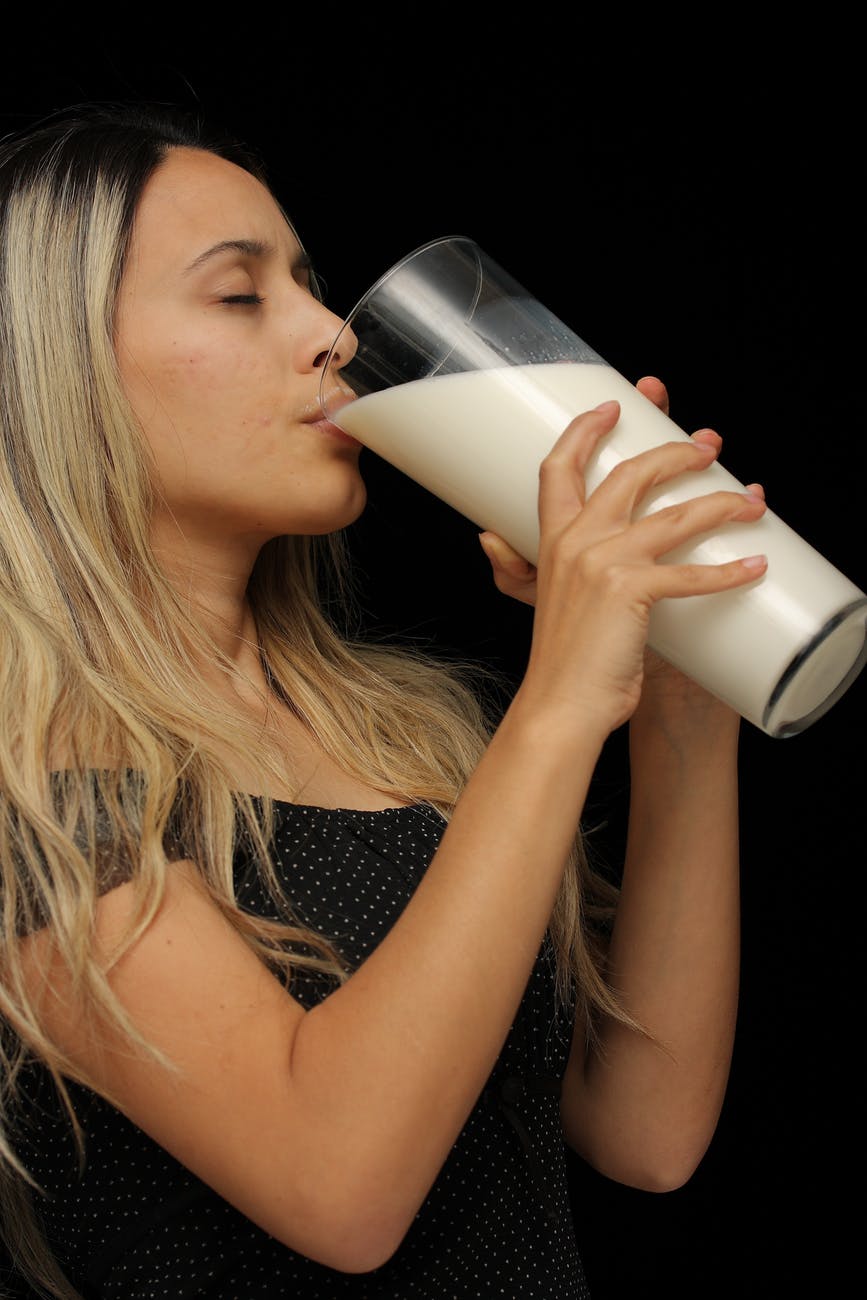
Osteoporosis occurs when there is animbalancebetween new bone formation and old bone resorption. The body may fail to form enough new bone, or too much old bone may be reabsorbed, or both. Two essential minerals for normal bone formation are calcium and phosphate.
Treatment includes medications, healthy diet, and weight-bearing exercise to help prevent bone loss or strengthen already weak bones.













 Studio-7-West